Updated August 2026 · Sunglasses history and style guide
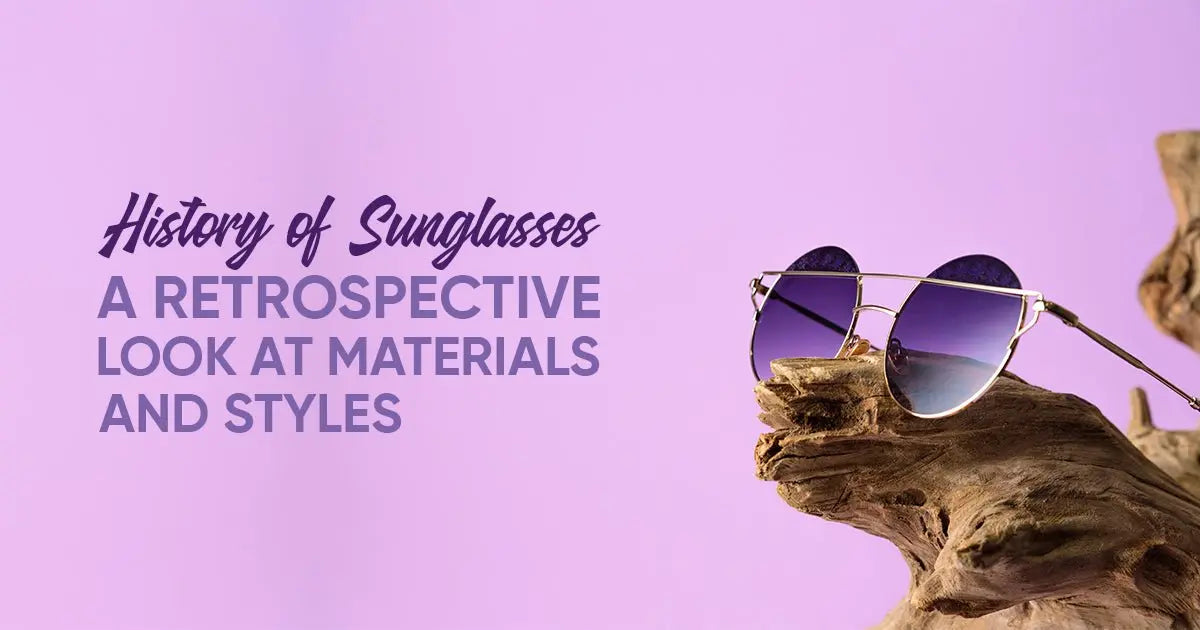
The evolution of sunglasses styles is a story of function becoming fashion. Eyewear designed to manage bright light and glare gradually became a defining part of personal style, with frame shapes, lens treatments and materials changing alongside travel, sport, film, music and designer fashion.
This guide focuses on the major style shifts that still influence the sunglasses people buy today—from aviators and wayfarer-style frames to oversized fashion eyewear and modern performance shields. It is not a claim that one person or one country “invented” sunglasses; protective and tinted eyewear developed through many different periods and uses.
From Practical Eye Protection to Everyday Eyewear
Early forms of shaded or tinted eyewear were primarily about reducing brightness or glare. Modern sunglasses developed much later, as optical manufacturing improved and tinted lenses could be produced more consistently for everyday use.
Through the twentieth century, sunglasses moved beyond specialist uses and became widely associated with driving, travel, outdoor leisure and fashion. The important shift was not simply darker lenses—it was the combination of wearable frames, reliable lens production and styles people wanted to keep on their faces.
Aviators: Performance Shape Becomes a Style Icon
Aviator-style sunglasses are one of the clearest examples of functional design becoming mainstream fashion. Their thin metal construction, double-bridge styling and large teardrop-shaped lenses created a distinctive look with broad lens coverage.
The shape later became strongly associated with travel, driving and cinematic style. Today, aviators appear in classic gold and silver metals as well as modern black, coloured and lightweight interpretations.
Browse current Ray-Ban Sunglasses NZ if you want to compare classic aviator and heritage-inspired shapes.
Wayfarer-Style Frames: A New Kind of Everyday Classic
Thicker plastic and acetate-style frames changed the visual language of sunglasses. Instead of the fine lines of metal aviators, wayfarer-style frames introduced a stronger brow line and more architectural silhouette.
The reason this family of shapes remains relevant is versatility. A medium-size square or softly trapezoidal frame can work with casual clothing, smart-casual outfits and travel wardrobes without feeling tied to one fashion season.
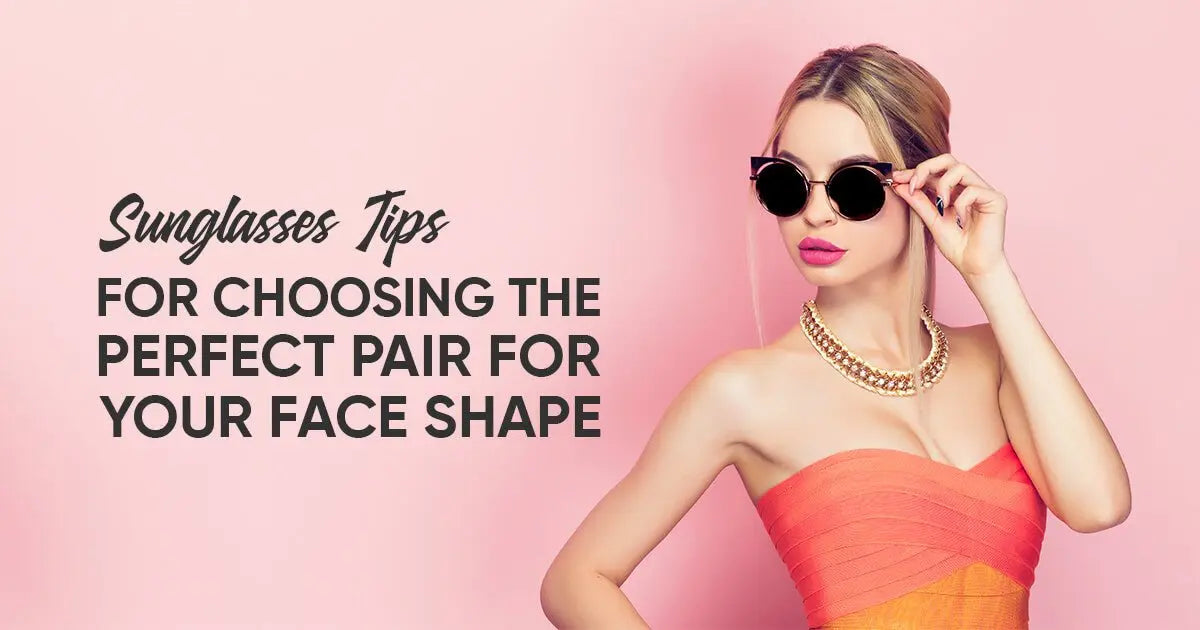
If you are deciding between square, round, aviator and softer frame shapes, our face-shape sunglasses guide explains how proportion and fit matter more than rigid styling rules.
Cat-Eye, Oversized and Glamour-Driven Sunglasses
Sunglasses also became a way to deliberately change the visual balance of the face. Cat-eye frames emphasise the upper outer corners, while oversized square, butterfly and rounded frames create a more dramatic silhouette and greater visual coverage.
These styles became closely associated with fashion photography, celebrity culture and luxury accessories, but they are not only decorative. Frame depth, lens width and how closely the frame sits to the face can also change comfort and coverage.
Explore current Women’s Sunglasses NZ for contemporary cat-eye, oversized, square and metal-frame directions.
Performance Sunglasses: Sport Changes the Frame
Sport and outdoor use pushed sunglasses in another direction. Instead of prioritising only fashion, performance frames focus on stability, coverage, low weight and lens options matched to changing light or glare.
Wraparound and shield-style frames can reduce peripheral light and provide a more secure feel during movement. Cycling, running, hiking, golf and water activities may also benefit from different lens colours or polarisation depending on the environment.
Our Outdoor Sports Sunglasses Guide explains those choices, while the Oakley Sunglasses NZ guide looks at current performance and lifestyle options in more detail.
Designer Sunglasses and Brand Identity
As sunglasses became fashion accessories, brands increasingly used frame shape, hardware, colour and logo details to create recognisable design identities. That is why a minimal metal frame, a bold acetate square and a sculptural oversized frame can all occupy the same luxury eyewear category while appealing to very different customers.
Brand name alone does not determine whether a pair is right for you. Fit, lens specification, comfort, frame dimensions and intended use should still come first.
For current designer options, browse the full Luxury Sunglasses NZ collection, Versace Sunglasses NZ, or our dedicated men’s and women’s collections.
How Frame Materials Changed Sunglasses Design
Metal
Metal allows thin rims, adjustable nose-pad designs and lightweight-looking silhouettes. It remains common in aviators, round frames and minimalist designer eyewear.
Acetate and Plastic-Style Frames
Thicker frame materials allow bolder colours, tortoise patterns, transparent finishes and more sculptural shapes. They also support the strong brow lines seen in many square and wayfarer-style designs.
Performance Materials
Sport-focused frames often use lightweight engineered materials designed for flexibility, grip and stability. The trade-off is usually a more technical appearance rather than a traditional fashion-frame look.
Lens Technology Became Part of the Style Story
Modern sunglasses are not defined by frame shape alone. Grey, brown, green, gradient, mirrored and contrast-enhancing lenses all change both appearance and the way the wearer experiences light.
Polarisation is another important development, but it should not be confused with UV protection. Polarised lenses are designed to reduce reflected glare; UV protection is a separate specification that should be checked for the exact model.
Before choosing by lens colour or fashion alone, read our UV Protection Sunglasses NZ guide.
Which Sunglasses Styles Have Lasted?
Some frame families keep returning because they are easy to recognise and adapt:
- Aviator: thin metal, double bridge and a classic travel/driving association
- Wayfarer-style: structured everyday shape with broad wardrobe versatility
- Square: clean definition and strong contemporary designer presence
- Round: softer, retro-inspired alternative to angular frames
- Cat-eye: lifted outer corners and a fashion-focused silhouette
- Oversized: dramatic styling and increased visual coverage
- Wrap/shield: performance-led coverage for sport and outdoor use
Trends change, but these categories continue to be reinterpreted rather than disappearing completely.
How to Choose a Sunglasses Style Today
Start with what the sunglasses need to do, then refine the look.
- Check the lens specification. Confirm UV protection and any polarisation or driving information for the exact model.
- Check the measurements. Lens width, bridge and temple length are more useful than assuming one “medium” frame fits everyone.
- Consider your routine. Driving, office commuting, outdoor sport and fashion wear can require different priorities.
- Use face shape as a styling clue, not a rule. Proportion and comfort matter more.
- Choose a frame you will actually wear. A classic pair worn often can be more useful than a trend-driven frame that stays in its case.
For practical fit guidance, see Choosing Sunglasses for Your Face. For maintenance after purchase, use our Sunglasses Care and Storage Guide.
Evolution of Sunglasses Styles FAQ
When did sunglasses become a fashion accessory?
Sunglasses became increasingly mainstream as fashion accessories during the twentieth century, when film, music, travel and mass-produced eyewear helped move them beyond specialist protective use.
What are the most iconic sunglasses styles?
Aviators, wayfarer-style frames, square sunglasses, cat-eye frames, round sunglasses, oversized frames and sport shields are among the most recognisable styles still sold today.
Why are aviator sunglasses still popular?
Their thin metal construction and recognisable lens shape make aviators easy to style across casual, travel and driving wardrobes. Modern versions also come in many frame and lens finishes.
Why did thicker plastic frames become popular?
Thicker acetate and plastic-style frames allowed stronger silhouettes, richer colours, tortoise patterns and more expressive fashion shapes than fine metal frames alone.
Are polarised lenses a newer sunglasses feature?
Polarisation is part of modern lens technology and is used to reduce reflected glare. It is separate from UV protection, so buyers should check both specifications where relevant.
Are old sunglasses styles still fashionable?
Yes. Aviator, wayfarer-style, round, cat-eye and oversized frames are repeatedly reinterpreted by modern brands. Fit and personal style matter more than whether a shape first became popular decades ago.
Where can I buy designer sunglasses in New Zealand?
Browse the Luxury Sunglasses NZ collection at Gadgets Online NZ online, or visit our Mount Eden, Auckland store. Check live availability before travelling for a specific model.
Explore Sunglasses in New Zealand
Browse our Luxury Sunglasses NZ, Men’s Designer Sunglasses NZ and Women’s Sunglasses NZ.
Gadgets Online NZ has served New Zealand customers since 2008. Shop online or visit our Mount Eden, Auckland store for authentic designer eyewear and local assistance.